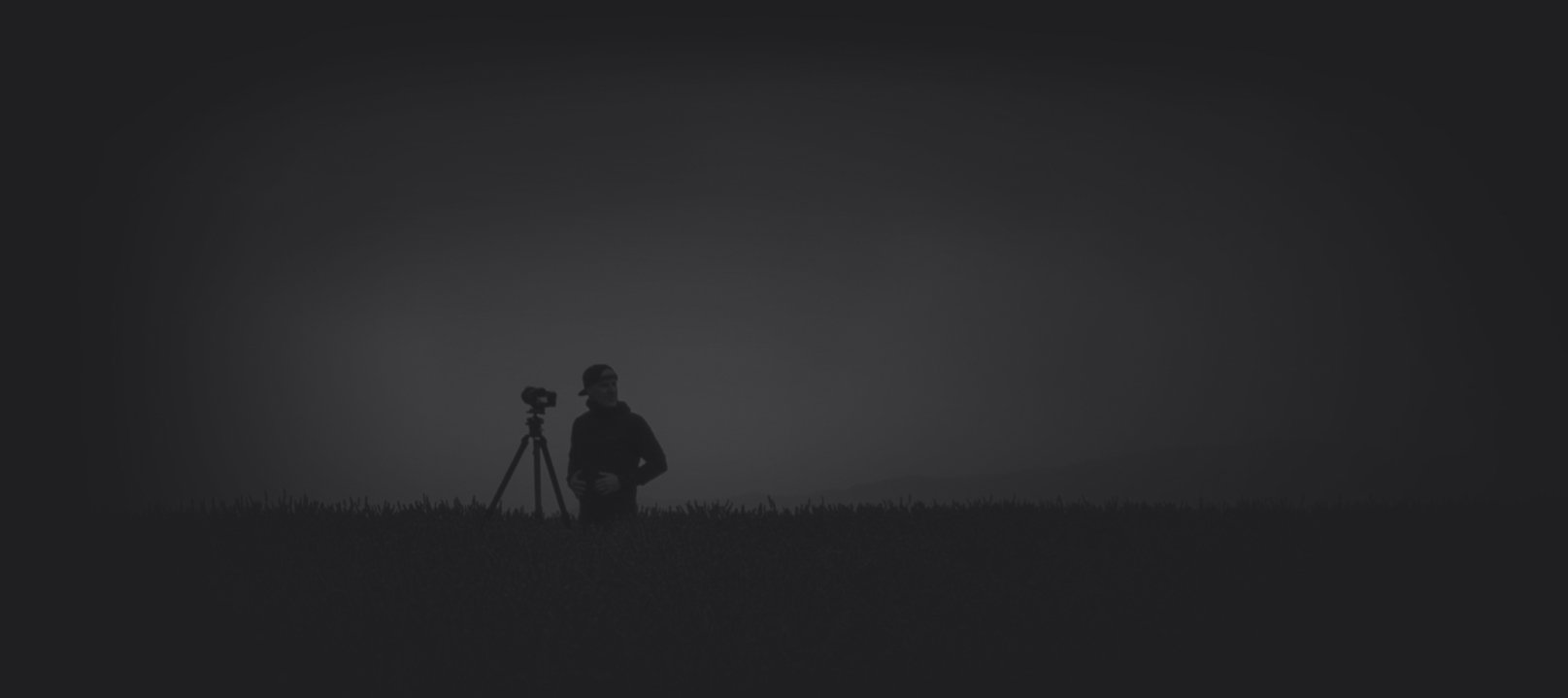
Fine art photography is photography made to express the photographer’s vision, whether that’s an idea, a mood or a feeling, rather than to record facts or sell a product. The finished work is usually a print made to be displayed, exhibited and collected.
Key Takeaways
- What is fine art? Art created for beauty, meaning, and emotional resonance rather than utility.
- Fine art photography definition: Images made to express an idea, mood, or story — guided by an artist’s vision.
- What is considered fine arts? Traditionally painting, sculpture, music, poetry, and architecture — now joined by photography and film.
- Why are fine arts important? They enrich culture, awaken imagination, and bring people together through shared emotion.
- How to enjoy fine art photography: Understand the artist’s vision, study composition, connect emotionally, view in person, and live with art daily.
In the Age of a Billion Photos
With smartphones in every pocket, over one billion photographs are shared across social platforms each day. Yet, amid this flood of images, one question stands out: What makes a photograph truly fine art?
This guide explores what separates the images on your Instagram feed from those created by fine art photographers — and how engaging with fine art can transform the way you see the world.
What Is Fine Art?
Let’s begin with a fine art definition.
Fine art is created with a singular purpose — to stir emotion, spark thought, and elevate the human spirit. It’s art for art’s sake: a celebration of imagination and beauty. It’s meant to engage and appeal to our senses and emotions.
Traditionally, fine art encompassed painting, sculpture, music, architecture, and poetry. Today, it has expanded to include modern forms such as film and photography.
But the essence remains unchanged — intent. Fine art is not about practicality. It’s about expression, created to reveal something deeper about the world and ourselves.
Fine art invites us to slow down, reflect, and connect — even for a moment — with something greater than the everyday.
What Is Fine Art Photography?
Fine art photography is photography with purpose — a reflection of the artist’s vision.
Whereas commercial or documentary photography aims to record facts, fine art photography seeks to communicate feeling. Every element — composition, light, color, and timing — serves an emotional or conceptual goal.
A master photographer may wait for days for the perfect play of light or the brief alignment of natural elements that tell a story beyond words. Each image becomes an intentional act of creation, not a product of chance.
The same mountain can be a travel snapshot, an advertisement or a fine art photograph. What changes is the intent behind the image and the care that goes into making it.
Fine Art vs. Commercial and Documentary Photography
The easiest way to understand fine art photography is to compare it with the other main kinds of photography.
| Fine art | Commercial | Documentary | |
|---|---|---|---|
| Purpose | Express the artist’s vision | Sell a product, service or brand | Record real people and events |
| Who sets the brief | The artist | A client | The photographer, following real events |
| Where you see it | Galleries, museums and homes | Advertising, catalogs and websites | News, magazines and archives |
| Example | Peter Lik’s Phantom | A product photo in an ad | Dorothea Lange’s Migrant Mother (1936) |
The lines can blur. Many documentary photographs, like those in our guide to the most famous photographs in history, now hang in museums as art. But a fine art photograph always starts with the artist’s own idea.
Is Photography a Fine Art?
Yes. Photography has been exhibited and collected as art for more than a century. In 1940 the Museum of Modern Art in New York created a department devoted to photography, set up with the help of Ansel Adams. Today, major museums around the world collect photographs alongside painting and sculpture.
What Makes a Fine Art Print?
A fine art photograph is meant to be seen as a physical print, so how it’s made matters as much as the image itself. Size, paper and presentation all change how a photograph feels on the wall.
Every Peter Lik photograph is printed in-house at the LIK Fine Art studio in Las Vegas on museum-grade photographic paper and mounted beneath acrylic. You can choose an acrylic mount or an artisan frame with a canvas-wrapped liner, and every piece ships with a hanging solution. An Art Consultant can help you choose a size and presentation, and can arrange an in-home render on request.
Learn more about the LIK process, or explore the LIK Fine Art framing guide to see presentation options.
Limited Edition, Open Edition and Artist Proof
Fine art photographs are usually released in editions, which tell you how prints of an image are made available. At LIK Fine Art there are three:
- Open Edition: signed but not numbered, with no limit on the number of prints. See Open Editions.
- Limited Edition: signed and numbered. Once every number has been reserved, the edition closes permanently. See Limited Editions.
- Artist Proof: a separate edition of 10 to 45 numbered examples, printed at a higher resolution and presented under anti-reflective acrylic.
For a full comparison, read how Limited Editions, Open Editions and Artist Proofs work.
Examples of Fine Art Photography from Peter Lik
Each of these photographs shows a different side of what makes an image fine art.
Phantom, Antelope Canyon, Arizona

Phantom turns a beam of sunlight and swirling dust in Antelope Canyon into a ghostly figure. In black and white, the scene is reduced to light, form and mystery. For a related image in color, see Spirit, from the same Antelope Canyon chapter. Explore the Black & White collection and the Antelope Canyon collection.
Golden Gate Reflections, San Francisco, California

Fine art often finds a new way to see something familiar. In Golden Gate Reflections, the red of the Golden Gate Bridge becomes rippling strokes of color on the blue water of Horseshoe Bay. As Peter puts it, “I love taking just a tiny element of the ‘bigger picture’ and isolating it to create something entirely different.” Explore the Abstract collection.
Inner Calm, Jackson Lake, Wyoming

Inner Calm pares the scene down to a white rowboat resting on still water, with the Teton Range glowing at dawn behind it. With everything else left out, a simple scene becomes a mood of calm. See more in the Water collection.
Twilight Flight, Africa

In Twilight Flight, a flock of Cape Cormorants crosses a red and orange sunset over the African coast. A fleeting moment of motion becomes something you can live with every day. See the Wildlife collection.
Why Fine Arts Matter
Fine arts — including photography — give shape to our shared humanity. They challenge, inspire, and unite.
Art history is filled with images that have defined generations, ignited change, and shaped culture. Great photographs do more than capture a scene — they capture a truth.
Communities enriched by art often feel more connected, curious, and compassionate. On a personal level, surrounding yourself with fine art enhances daily life, offering both calm and creative stimulation. Studies even show that art engagement can heighten empathy and cognitive function.
How to Enjoy Fine Art Photography
1. Understand the Artist’s Vision
Behind every fine art photograph lies intention. Take time to read the title, description, or story of the piece. Ask yourself: What emotion or idea did the artist want me to feel?
2. Observe the Craft
Look closely at the composition, light, and texture. Each detail — from shadows to framing — has been chosen with care. Appreciating that craftsmanship deepens your connection to the image.
3. Feel Something
Fine art lives in emotion. Let yourself respond — whether it’s peace, awe, or nostalgia. There’s no wrong reaction; that’s the beauty of it.
4. See It in Person
Screens can’t replace the depth and brilliance of seeing a fine art print up close. Visit a gallery when possible. Stand before the work. Notice how the colors shift and light moves across the surface — that’s the true experience of fine art. Find a LIK Fine Art gallery near you.
5. Live With It
Bringing fine art photography into your space transforms it. Over time, the image becomes part of your story — changing subtly as you do.
Fine Art Photography FAQ
What is the definition of fine art photography?
Fine art photography is photography created to express the artist’s vision or an idea, rather than to document a subject or sell a product.
Is photography considered a fine art?
Yes. Museums have collected and exhibited photography as art for more than a century. The Museum of Modern Art in New York created its photography department in 1940.
What is the difference between fine art and commercial photography?
Commercial photography is made for a client to sell something. Fine art photography starts with the artist’s own idea and is made to be displayed and collected.
What is a limited edition photograph?
It’s a photograph released as signed, numbered prints. At LIK Fine Art, a Limited Edition closes permanently once every number has been reserved.
How should I display fine art photography?
Choose a size and shape that suit the wall, and light the piece well. Our guides to portrait vs landscape prints, lighting photography in your home and choosing LIK framing cover the details.
Experience the World Through the Lens of Peter Lik
Fine art isn’t reserved for the elite — it’s for anyone open to wonder. Each of Peter Lik’s photographs is a reflection of passion, patience, and an unrelenting pursuit of beauty in nature.
Explore the world through his lens and discover what it means to truly feel a photograph.
Shop the full collection of photography from Peter Lik today.