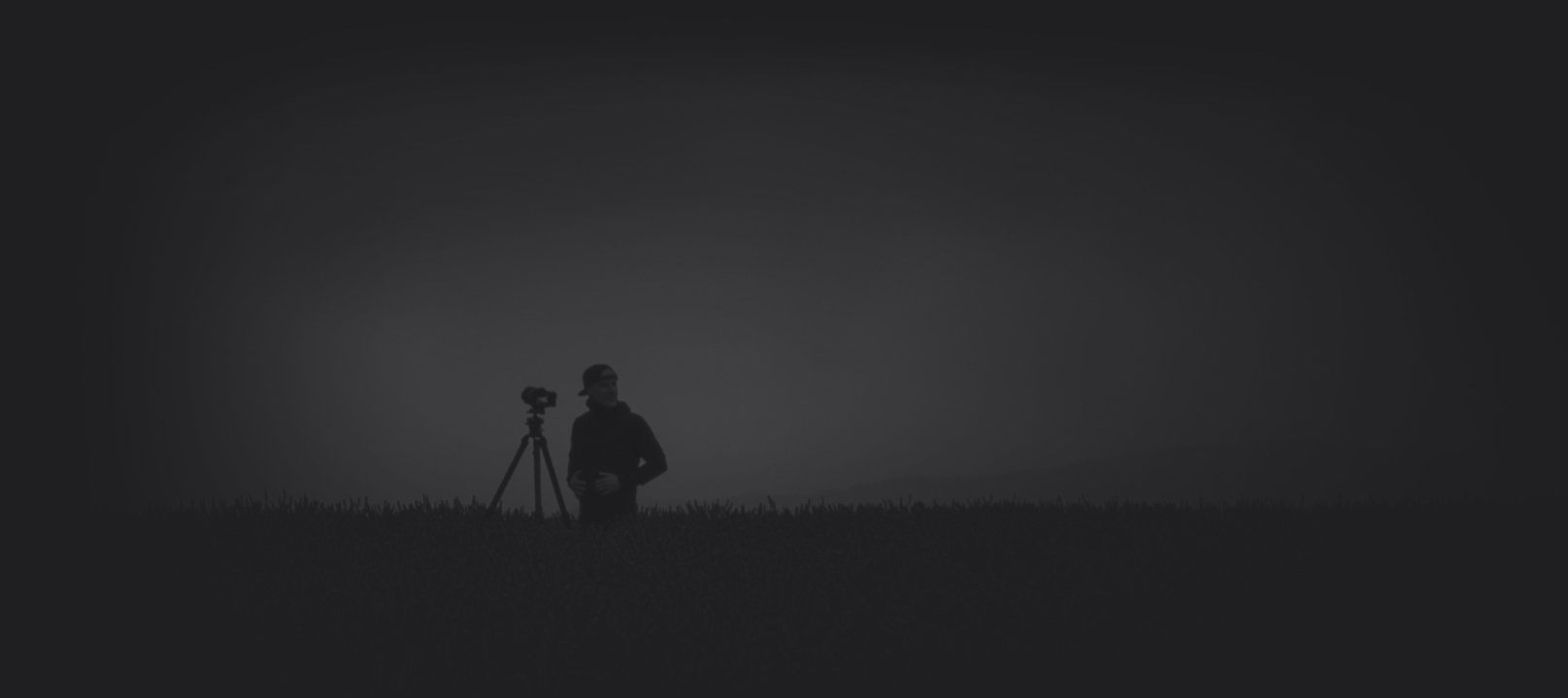
TL;DR: Every unforgettable image begins with intention. Master photographers like Peter Lik rely on timeless techniques — composition, light, perspective, and patience — to transform fleeting moments into enduring works of art. Learn how these methods elevate photography into fine art, and how you can apply them yourself.
Key Insights
- Composition: Techniques like the rule of thirds and leading lines guide the eye and create visual harmony.
- Landscape photography: Mastery of timing and golden hour light — as seen in Sacred Sunrise — defines mood and depth.
- Wildlife photography: Patience and respect for nature reveal genuine emotion, exemplified in Winter Reign.
- Perspective: Shifting viewpoint and scale transform emotion and story, as seen in Inner Peace.
- Practice: Apply these lessons by exploring balance, harnessing light, embracing negative space, and refining patience.
The Foundation of Every Great Image
Behind every unforgettable photograph lies deliberate technique. The difference between a snapshot and a masterpiece often comes down to the artist’s choices — how they frame a scene, capture light, and wait for the right moment.
Peter Lik’s fine art photography demonstrates that true mastery is equal parts patience and precision. His work embodies how technical decisions — guided by instinct and vision — can turn a single moment into a timeless piece of art.
Let’s explore the core photography techniques that define his process, and how you can use them to elevate your own craft.
Photography Composition Techniques: The Art of Balance
Composition is the language of visual storytelling. It guides the viewer’s eye, sets the rhythm of the image, and establishes harmony — or deliberate tension — within the frame.
One of the most essential photography composition techniques is the rule of thirds. By dividing the frame into a 3×3 grid and positioning key elements along those lines, photographers create balance and natural flow.
In Peter Lik’s Ghost, the beam of light appears slightly off-center, framed by the curving sandstone walls of Antelope Canyon. This placement draws the viewer into the scene, balancing structure and emotion.
Lik also uses leading lines to perfection. Natural elements like rivers, roads, or ridges act as visual pathways that pull the eye deeper into the composition. In Ancient Avenue, these lines converge in the distance, inviting viewers to journey into the heart of the landscape — an exquisite example of controlled movement through composition.
Landscape Photography: Harnessing Light and Space
Timing is everything in landscape photography — and Peter Lik’s pursuit of light borders on spiritual.
The “golden hour,” that fleeting window at sunrise or sunset, casts a glow that infuses his images with warmth and dimension. It’s a natural phenomenon that can’t be replicated with filters — a true gift for those willing to wait.
In Sacred Sunrise, Lik positions the rising sun along the lower third of the frame, allowing the sky’s brilliance to flood the composition. The interplay of light and shadow transforms the scene into a living canvas — one that feels vast yet intimate.
Wildlife Photography: Lessons in Patience
Mastering wildlife photography requires more than a camera — it demands empathy, respect, and unwavering patience.
A single perfect moment may take hours, even days, to unfold. For Lik, this discipline extends beyond wildlife — it’s a cornerstone of his creative philosophy.
In Winter Reign, Lik captures a herd of bison braving the frozen plains of Yellowstone. He waited for the precise instant when the animals aligned within the storm, the snow swirling like brushstrokes across the frame. The result is raw, powerful, and deeply human.
This patience — the art of waiting — is one of the most underappreciated yet defining techniques of a master.
Perspective: Seeing the Familiar Anew
Perspective transforms ordinary subjects into extraordinary visions. A subtle change in viewpoint can alter emotion, scale, and storytelling.
In Inner Peace, captured in Yosemite National Park, Lik angled his lens upward through a Japanese maple’s canopy, allowing light to pour through the leaves. The result is a study in perspective — one that transforms the viewer’s gaze from grounded observer to awestruck participant.
Master photographers constantly experiment with vantage points, challenging themselves to see beyond the obvious. Perspective is not only a physical shift — it’s an emotional one.
Why Master Photographers Stand Apart
What truly separates a master photographer from the rest isn’t just technical proficiency — it’s intentionality. Masters understand that every choice — from angle to aperture — serves a purpose. They weave technique and emotion together until the line between craft and art disappears.
Their goal is never simply to capture a subject, but to convey a story that resonates. Each photograph becomes a dialogue — between artist, subject, and viewer.
Exercises to Refine Your Craft
- Practice the Rule of Thirds – Photograph the same subject centered, along a grid line, and at an intersection. Notice how energy and balance shift.
- Seek Leading Lines – Use a road, shoreline, or fence to guide the eye. Experiment with diagonal lines for depth and motion.
- Chase the Light – Capture a scene at sunrise, midday, and sunset. Observe how lighting transforms color and emotion.
- Shift Your Perspective – Get low, climb high, or move closer. Different angles change both story and feeling.
- Cultivate Patience – Spend time observing before shooting. Wait for the decisive moment — the pause between chaos and perfection.
By practicing these principles, you’ll not only strengthen your technical skill but also develop the sensitivity and intuition that define fine art photographers.
Discover the Mastery of Peter Lik
The techniques explored here are the foundation of timeless photography. But in the hands of a master, they transcend instruction — becoming instinct.
Peter Lik’s art captures that fusion of precision and emotion, transforming landscapes into living, breathing works of fine art. Each piece is a testament to decades of dedication and a deep connection with nature’s rhythm.
Experience what mastery looks like.
Explore the fine art photography of Peter Lik