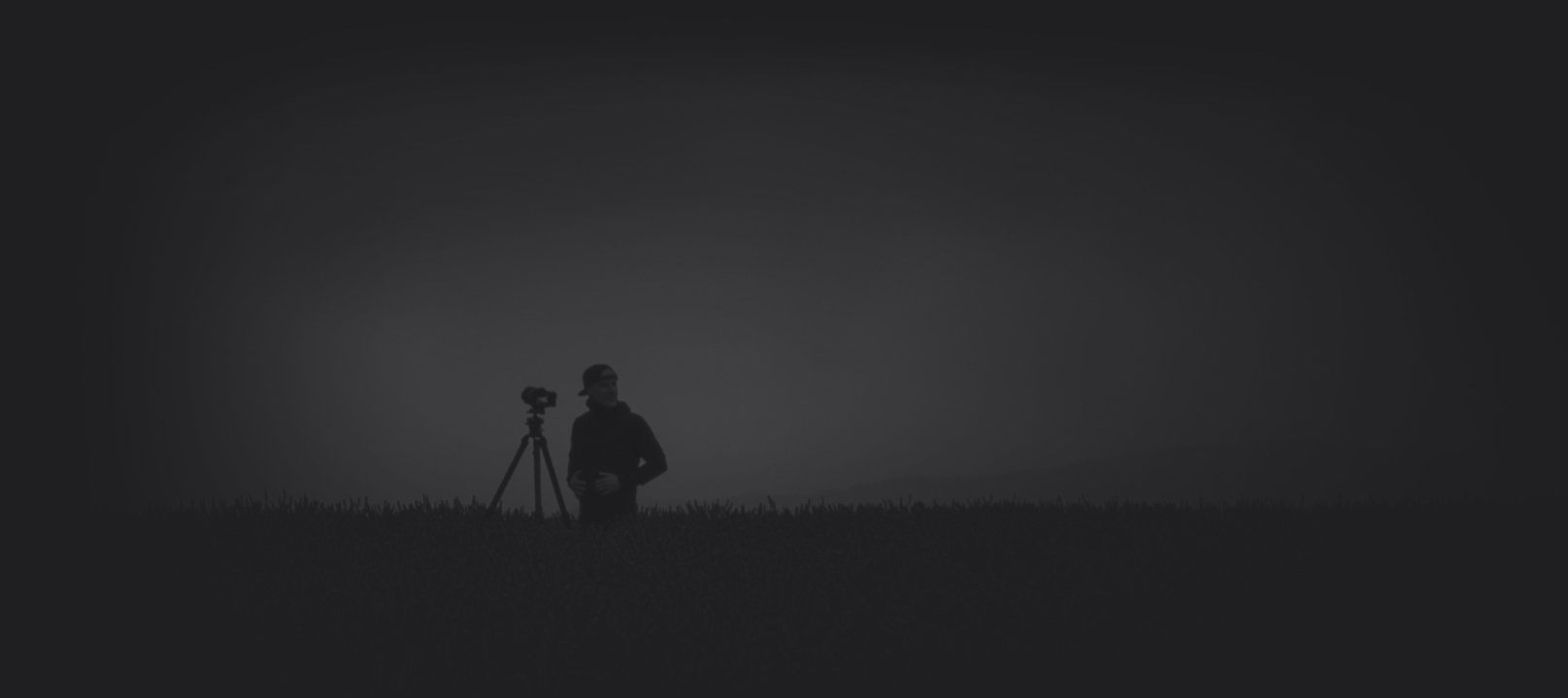
The rule of thirds is one of the most powerful and widely used composition techniques in photography. By dividing an image into a simple 3×3 grid and placing key elements off-center, photographers create balance, depth, and visual flow that feels natural to the eye.
This foundational guideline is used across fine art, painting, cinema, and photography. In the hands of master landscape photographers like Peter Lik, the rule of thirds transforms a photograph from a simple capture into an emotionally resonant work of art.
In this guide, we’ll break down:
-
What the rule of thirds is
-
Why it works so effectively in landscape photography
-
How Peter Lik applies it in his fine art photography
-
How you can use it intentionally in your own compositions
What Is the Rule of Thirds in Photography?
The rule of thirds is a composition guideline that divides an image into nine equal sections using two horizontal and two vertical lines. Instead of placing the subject directly in the center of the frame, photographers position important elements along these lines or at their intersections.
This approach introduces intentional asymmetry, which creates movement and visual interest. A centered subject often feels static; an off-center subject encourages the viewer’s eye to explore the frame.
In landscape photography, this often means:
-
Placing the horizon along the upper or lower third
-
Positioning a subject slightly to one side
-
Allowing sky, land, or water to occupy more visual weight
When used correctly, the composition feels balanced without being rigid.
Why the Rule of Thirds Works in Landscape Photography
Landscape photography thrives on scale, depth, and atmosphere. The rule of thirds naturally enhances these qualities by creating visual tension — a subtle pull that guides the viewer’s eye through the scene.
By avoiding a 50/50 split between land and sky, the photographer establishes a hierarchy:
-
Two-thirds sky emphasizes drama and light
-
Two-thirds foreground emphasizes texture and depth
This balance allows the photograph to feel immersive rather than flat. It’s one of the reasons the rule of thirds has remained a cornerstone of composition for centuries across visual art forms.
Examples of the Rule of Thirds in Peter Lik’s Photography
Peter Lik’s fine art photography offers exceptional real-world examples of how the rule of thirds elevates storytelling through composition.
Enchantment — Oregon

Enchantment shows how the rule of thirds can guide balance even in a richly layered, full-frame composition. The main trunk sits subtly off-center, while sweeping branches fill the upper two-thirds of the image with cascading autumn color.
The grounded greens along the lower third anchor the frame, allowing the fiery reds and golds to flow naturally above. The result is an immersive yet harmonious image — proof that the rule of thirds can shape balance and movement without feeling rigid or obvious.
Beached — Four Mile Beach, Australia

Beached demonstrates how minimalism benefits from thoughtful composition. A lone wooden rowboat rests along the lower left third of the frame, while the shoreline and horizon sit comfortably along the upper third.
The result is a tranquil yet emotionally charged image. The negative space of sand and sea reinforces scale, solitude, and calm — proof that the rule of thirds can turn simplicity into story.
How to Use the Rule of Thirds in Your Own Photography
1. Enable the Grid on Your Camera
Most cameras and smartphones offer a built-in 3×3 grid overlay. Turning this on makes it easy to visualize the rule of thirds while composing your shot.
2. Place Your Subject Off-Center
Instead of centering your subject, align it along one of the grid lines or at an intersection point — often referred to as “power points.”
3. Align Horizons and Leading Lines
For landscapes, avoid placing the horizon directly in the middle of the frame. Shift it to the top or bottom third. Roads, rivers, fences, and shorelines also work beautifully when aligned along thirds.
4. Use Negative Space Intentionally
Negative space isn’t empty space — it’s a compositional tool. Large areas of sky, water, or desert help balance the frame and place emphasis on your subject.
5. Practice with Variations
Take multiple versions of the same shot. Capture one centered and one using the rule of thirds. Comparing them will train your eye to recognize stronger compositions instinctively.
Is the Rule of Thirds a Rule or a Guideline?
Despite its name, the rule of thirds is best understood as a guideline. Master photographers learn when to follow it — and when breaking it will create a stronger emotional impact.
Understanding the rule gives you the freedom to bend it with intention.
Explore the LIK Fine Art Collection
Peter Lik’s photography demonstrates how timeless composition techniques can elevate nature into fine art. Explore the LIK Fine Art collection to see how balance, light, and storytelling come together in works designed to live beautifully on your walls.