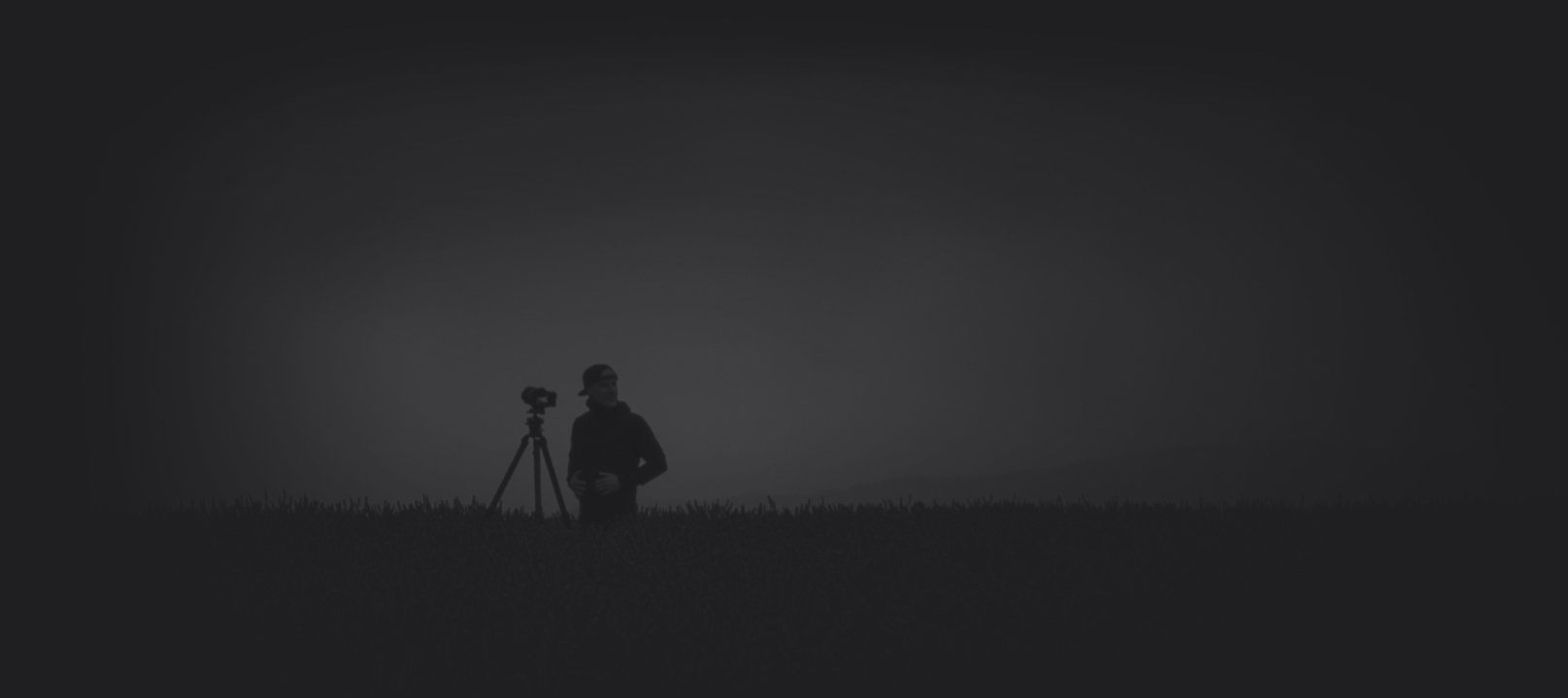
TL;DR: Peter Lik has built a world-class career capturing landscapes that feel both immersive and emotional. His artistry goes far beyond equipment — it’s about patience, preparation, and a profound connection with nature. Discover his essential tips for mastering landscape photography, blending technical mastery with artistic vision.
The Art of Capturing the Natural World
Peter Lik is one of the world’s most collected fine art landscape photographers. His career has been defined by the pursuit of light, chasing fleeting moments when the Earth seems to stand still.
His photographs invite viewers to experience a place rather than simply look at it. A single tree becomes a symbol of resilience; a canyon beam transforms into a spiritual moment of connection. Each image is an exploration of nature’s beauty and a reflection of patience and precision.
So how does he transform natural scenes into breathtaking works of art?
These nine essential techniques reveal how Peter Lik approaches the craft of landscape photography.
1. Use Quality Gear (Especially a Sturdy Tripod)
For Peter Lik, a reliable tripod isn’t just helpful, it’s essential. Every photograph begins with an unshakable foundation. A dependable tripod anchors his vision, allowing him to compose deliberately and wait for that fleeting moment when light, movement, and emotion converge.
Peter trusts Really Right Stuff for this reason. His go-to setup includes the Versa-34 Versatile Carbon Fiber Tripod, designed for absolute stability in extreme conditions. Paired with the BH-55-PC Ball Head, this setup delivers the precision control he needs to frame every composition with absolute accuracy.
For panoramic landscapes, a pano gimbal head from RRS helps achieve seamless stitching and perfectly level horizons across ultra-wide vistas. The result: vast, immersive images that feel as limitless as the scenes themselves.
RRS’s meticulously engineered plates and L-Brackets are also integral to Peter’s setup. His RRS L-Bracket for the Fujifilm GFX100 II allows quick transitions between horizontal and vertical shooting without compromising alignment, critical when capturing multi-frame panoramas or long-exposure landscapes.
When every component functions in perfect harmony, the camera becomes an extension of the artist, ready to translate vision into lasting art.
“Nothing can ruin the perfect shot like a weak tripod or, even worse, no tripod at all."
2. Embrace Moody Weather and Dramatic Skies
Dramatic clouds, fog, and shifting light bring energy and depth to every scene. Instead of running from bad weather, Peter studies it, understanding that storms often produce the most dramatic compositions.
“There is nothing I hate more than clear blue skies,” Lik explains, “Clouds provide great diffused light, showing Mother Nature’s mood and beauty.”
When photographing landscapes, don’t cancel your plans if the forecast looks rough. Mist, haze, and rain can add mood, texture, and storytelling to your shot. Lik often spends days waiting for that small break in a storm, the moment when chaos gives way to light.
3. Always Shoot in RAW for Maximum Detail
For fine-art results, Lik insists on shooting in RAW. The format preserves the full tonal range and color depth of a scene, giving photographers maximum flexibility in post-processing. JPEGs may look ready out of camera, but they sacrifice crucial detail — especially in shadows and highlights.
Shooting in RAW allows for greater control when producing large-format prints and ensures every texture, gradient, and hue stays true to what the artist saw in person. Lik’s ability to retain that clarity and tonal balance is what gives his landscapes their lifelike dimension.
4. Plan, Scout, and Research Your Locations
Every successful image begins with preparation. Before setting foot on location, Peter Lik studies maps, topography, and the direction of natural light. He checks sunrise and sunset times, monitors weather systems, and visualizes how light will move through the landscape.
“You can’t just show up and expect magic, you have to earn it.”
Once on site, he spends hours exploring vantage points and compositions — often without taking a single shot. The more you know about the environment, the better you can anticipate the moment when conditions align perfectly.
5. Come Prepared with the Right Gear and Essentials
Preparation extends beyond planning. Lik is meticulous about his gear — not only what he brings, but how it’s organized. Spare batteries, high-speed memory cards, microfiber cloths, and weather protection are always part of his kit.
In remote or unpredictable environments, equipment failures or dead batteries can end a shoot early. Lik’s discipline ensures he’s ready for anything: strong winds, heavy rain, or fast-changing light.
6. Chase the Golden Hours (Sunrise & Sunset)
Light is everything in landscape photography, and the golden hours are when Lik’s artistry truly shines. The first hour after sunrise and the last hour before sunset produce soft, warm light that enhances texture and color without harsh shadows. If Lik could only provide one tip for landscape photographers, he’d tell them to be diligent about chasing the light.
By arriving early and staying late, he captures subtle tonal transitions that most photographers miss. For your own work, study how light evolves throughout the day, and remember that patience often outperforms convenience. The payoff is images with rich color and atmosphere that midday light can’t replicate.
7. Master Filter Techniques for Creative Effects
Filters are essential for controlling light in the field. Peter Lik frequently uses polarizing filters to cut glare and deepen skies, and neutral-density (ND) filters to achieve longer exposures during daylight. These techniques add atmosphere and a sense of motion — silky water, soft clouds, or glowing mist.
Experiment with filters to fine-tune exposure and mood. Lik’s mastery of this approach helps him create images that feel balanced and cinematic, straight from the camera.
8. Experiment with Composition and Perspective
Composition is what makes Lik’s landscapes instantly recognizable. He often shoots from unique vantage points and uses leading lines to guide the viewer’s eye into the image.
Panoramic formats are another hallmark of his style, capturing the vastness of a scene. Try creating a panorama or using a wide aspect ratio to achieve his iconic expansive feel. The goal is to compose an image that conveys the grandeur you felt on location.
Practice reframing familiar places from unexpected angles. Move your camera a few feet higher or lower, or tilt slightly to include a leading line. As Lik demonstrates, great compositions are often discovered through experimentation, not luck.
9. Capture Emotion and Tell a Story
Technical skill alone doesn’t create lasting art. Lik’s landscapes resonate because they carry emotion — a sense of awe, calm, or reflection. Before pressing the shutter, he connects with the environment and identifies what story the moment is telling.
“My passion is to capture Mother Nature’s finest moments and share them with the world.” Lik says.
Ask yourself what emotion you want viewers to feel. Is it the serenity of still water, the power of a storm, or the warmth of fading light? Photography, as Lik reminds us, is not only about what you see, it’s about what you want others to feel.
Experience the Stunning Landscapes of Peter Lik
By embracing these nine timeless principles of landscape photography, you begin to see the world as Peter Lik does — through patience, precision, and a deep respect for nature’s fleeting moments. His artistry reminds us that breathtaking images aren’t just captured; they’re earned through preparation, persistence, and passion.
Each photograph invites you to pause, breathe, and feel the beauty of the earth at its most pure. Discover what happens when vision meets light — and experience the difference for yourself.
Explore Peter Lik’s best-selling landscapes